

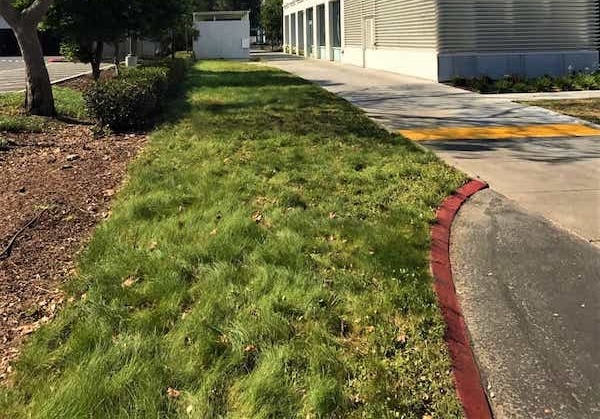
A grass access easement is one of the most misunderstood parts of residential and commercial property, despite its importance in protecting vital underground infrastructure. At first glance it looks like ordinary lawn, but the actual easement serves a specific purpose for the wider community. It provides essential access to pipes, sewer connections, electricity cables, power supply corridors and other hidden assets that must remain reachable for council, utility teams and maintenance crews.
Many households discover too late that a seemingly harmless garden shed, retaining wall, swimming pool, or even planting trees can cause significant issues if placed within the easement area.
What a Grass Access Easement Really Means
A grass access easement is part of the land legally assigned for the operation and protection of services. Although it sits inside the boundary, the property owner does not hold the same rights over it as other parts of the yard. Because the easement runs with the title, all future owners inherit the obligations that come with it.
Typical restrictions include:
- No deep-rooted trees or large trees
- No permanent construction or structural posts
- No digging or alterations that may disturb underground lines
- No heavy loads that may compress the ground
Keeping the surface finished in grass ensures easy access when repairs or upgrades are required.
Why Grass Is the Preferred Surface
Grass remains the most practical option because it protects the underground network without obstructing access. It also allows crews to reach the easement without unnecessary disruption.
Benefits include:
- Safe access to pipes and sewer lines
- Reduced risk of root invasion from trees
- Lower chance of damaging cables and electricity conduits
- Straightforward maintenance and restoration after works
- A visually consistent finish across the yard
Grass also prevents complications with drainage, helping to maintain stable ground conditions over time.
Common Mistakes Made by Property Owners
When people begin adjusting their outdoor spaces, they often forget to check for property easements. A quick title search can prevent costly problems.
Frequent issues include:
- Planting trees in the wrong area
Roots from small or large trees can interfere with service corridors. - Building a retaining wall
Walls prevent workers from completing repairs and affect soil levels above the easement. - Installing a swimming pool
Pool installation often requires excavation incompatible with buried infrastructure. - Adding a garden shed
Even lightweight structures block service access and may need to be removed. - Altering landscaping plans
Decorative changes can unintentionally disrupt the easement boundary, leading to compliance issues.
Because the easement exists for a specific purpose, ignoring these rules may result in rectification orders or removal of the unauthorised works.

TRUEGRID PRO LITE – The Ideal Surface Solution for Easement Access
Grass access easements demand a surface that protects underground infrastructure while remaining accessible for council and utility crews. TRUEGRID PRO LITE is a grass grid paver that is the ideal option to strengthen grassed easement corridors without interrupting natural infiltration patterns.
This system:
-
Keeps a clean, stable grass surface above essential pipes, sewer lines and power conduits
-
Supports reliable access for service vehicles
-
Prevents rutting, soil movement and damage during wet conditions
-
Maintains compliance without altering ground levels
-
Blends naturally with residential and community landscapes
Because PRO LITE is made from 100% recycled high-density polyethylene and engineered for durability, it provides long-lasting reinforcement for easement pathways while maintaining easy access for council maintenance teams. It is an effective way to future-proof easements for future owners and avoid costly reinstatement works.
How Grass Easements Affect Future Owners
A major consideration is that an easement always continues with the property. Once an easement is registered on the title, all future owners must follow the same restrictions. This is why many buyers review title documents before committing to a purchase.
Before making changes to your yard, it helps to:
- Review the title for any property easements
- Confirm easement boundaries before planning upgrades
- Ask council for advice if unclear
- Check related pages or guidelines explaining what can and cannot be done near underground infrastructure
Clarity early on prevents issues later.
Designing Outdoor Areas Around an Easement
A grass access easement can be integrated into the yard seamlessly with thoughtful planning. You can keep the space functional without breaching access requirements.
Practical ideas include:
- Keeping the area level and covered in grass
- Using movable features rather than permanent structures
- Planning landscaping plans that avoid deep roots
- Ensuring any decorative post or edging sits outside the easement
- Choosing low-impact plants that do not interfere with underground lines
This approach keeps your yard attractive while still supporting essential services.
Supporting Long-Term Access and Maintenance
Easements protect essential parts of the public network. Without safe, reliable access, maintenance teams cannot repair faults or upgrade ageing infrastructure. Keeping the space clear ensures your property – and your neighbourhood – continues to receive uninterrupted power, water and sewer services.
A well-kept lawn may seem simple, but it protects some of the most important assets beneath your feet.
Final Thoughts
A grass access easement is more than just a strip of lawn – it is a functional part of critical service networks that keep your home and the surrounding community running smoothly. Understanding what you can and cannot do on this part of the land helps avoid disputes, prevents damage to essential infrastructure, and keeps your property compliant for years to come.


